

The Hidden Burden of Routine: Breaking the Monotony of Life at Sea
5 min read
Life at sea is defined by its routines, but what happens when those routines turn into a monotonous cycle? We explore the psychology of habituation and offer practical ways to reclaim your mental space on board.
The Hidden Burden of Routine: Breaking the Monotony of Life at Sea
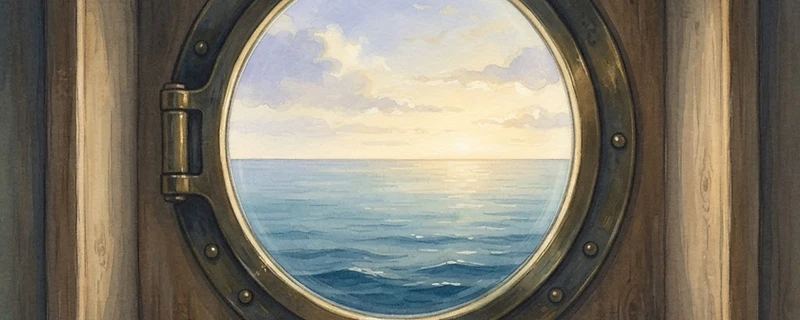
The sea is a place of grand extremes. We often speak of the psychological toll of storms, of long separations from family, or the intense pressure of critical operations. Yet, for many seafarers, the most insidious challenge isn’t a single, explosive event. It is the steady, relentless hum of the routine. The repetitive nature of life on board—the same corridors, the same faces, the same watch cycles, and the same horizon—can lead to a psychological phenomenon known as habituation. When every day begins to feel identical, our minds can slip into a state of autopilot, which can impact our alertness, our mood, and our long-term mental clarity.
Recognizing the weight of the routine is the first step toward reclaiming your agency. While you cannot change the nature of the voyage, you can change how you experience the passage of time.
Understanding the Psychology of Monotony
Our brains are wired for novelty. When we encounter something new, our focus sharpens, and our cognitive functions engage. Conversely, when the environment remains static for extended periods, the brain naturally lowers its activation levels to conserve energy. This is not a failure of character; it is a biological reality. The danger arises when this mental "idling" bleeds into our professional duties or our personal capacity for joy.
Without intentional variety, the mind often turns inward. We might find ourselves ruminating on past conflicts, worrying about home in an unproductive loop, or feeling a sense of "numbness" toward the work. This detachment is often a coping mechanism, but it can make the contract feel significantly longer and more draining than it actually is.
Small Rituals: Anchoring Your Day
When the days blend together, the antidote is to create "temporal markers"—small, consistent rituals that delineate one day from the next. You don't need a change of scenery to change your perspective; you only need a change of habit.
Consider these practical approaches to breaking the monotony:
- Micro-goals: Instead of focusing on the end of the contract, set a focus for the week or even the day. Perhaps it is mastering a specific knot, refining a technical skill, or finally finishing that book in the mess room.
- Active Observation: The ocean is rarely the same twice. Challenge yourself to notice a detail each day—a change in the light, the behavior of seabirds, or the way the sea texture changes with the wind. This practice of mindfulness helps keep the brain engaged with the present moment.
- Sensory Variety: If possible, change your downtime environment. Rotate the music you listen to, switch your seating position in the mess, or vary your hobbies. If you spend your downtime on your phone, try replacing one hour with a physical activity or a hobby that requires tactile focus, like drawing or maintenance work on a personal project.
The Power of Meaningful Connection
Monotony often thrives in silence. While solitude is a necessary part of the maritime life, isolation is a choice we can sometimes mitigate. Engaging in conversations that go beyond the operational requirements of the ship can act as a powerful disruptor to the "groundhog day" feeling.
"Connection is the antidote to the feeling of being a cog in a machine. When we share a story, a laugh, or even a moment of vulnerability with a shipmate, we re-establish our humanity within the steel walls of the vessel."
Try to find time for low-stakes social interactions. It might be a weekly game night, a shared coffee break where work talk is off-limits, or simply taking the time to ask a shipmate about their life outside the shipping industry. These interactions remind us that we are part of a community, not just a crew roster.
When Routine Becomes Stagnation
It is important to distinguish between the healthy rhythm of routine and the feeling of being truly "stuck." If you find that your lack of motivation is affecting your sleep, your appetite, or your ability to perform your duties safely, it may be time to seek a different kind of support. Sometimes, the monotony of the sea acts as a mirror, reflecting struggles we have been carrying for a long time. Talking to a professional can help you disentangle what is a reaction to your environment and what might be a deeper concern.
You are more than your watch schedule. By introducing small, intentional shifts in how you perceive and structure your time, you can create a healthier, more vibrant psychological space, even in the middle of the ocean.
If you find yourself feeling consistently overwhelmed or unable to find a sense of balance, remember that professional guidance is a strength, not a weakness. Speaking with a qualified psychologist can provide you with tools tailored to your specific situation and environment.
Are you struggling to break the cycle of monotony? Try choosing one small, new activity to implement this week, and observe how it shifts your perspective. Sometimes, the smallest change makes the biggest difference.
Want to talk this through?
If something in this article resonates, you can book a confidential 1-on-1 session online.
Book a Session