
Loneliness at Sea: Why Isolation Hits Seafarers Harder
6 min read
Isolation at sea is unlike loneliness anywhere else. Here's why it hits seafarers harder — and the small, practical habits that genuinely help.
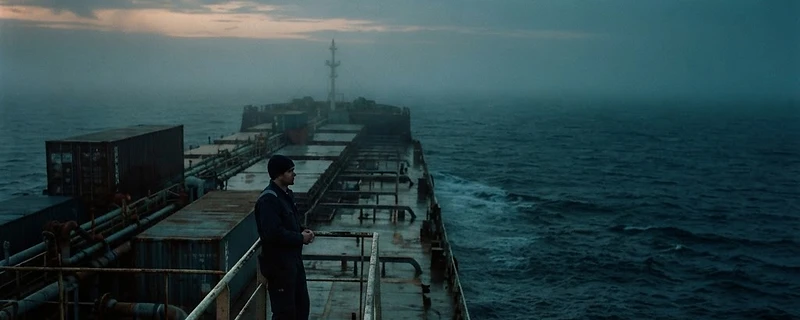
Weeks from land, limited privacy, and the same faces every day — isolation at sea is unlike loneliness anywhere else. Research consistently shows that seafarers face higher rates of loneliness, low mood, and anxiety than the general population, yet many suffer in silence because "everyone else seems to be coping."
Why isolation at sea is different
On land, loneliness can be relieved by a walk, a café, a phone call to an old friend. At sea, your social world is the crew. You cannot step away from a difficult dynamic, and time zones shrink the window when home is awake. Add irregular sleep and months away from family, and the mind can quietly slide into exhaustion.
What actually helps
Small, reliable routines matter more than grand gestures. Protect one anchor point each day — a workout, a call home, ten minutes of quiet. Keep contact with people who know you outside the ship. And notice the early signs: withdrawing from the mess room, irritability, sleep drifting, dreading calls home instead of looking forward to them.
Talking is not weakness
In my practice I meet officers and ratings alike who waited months before reaching out. Not one of them has ever regretted the first session. Confidential support — by video or phone — fits around watch schedules, and you never have to explain maritime life from scratch.
Want to talk this through?
If something in this article resonates, you can book a confidential 1-on-1 session online.
Book a Session